

War on poverty
Counting the cost of conflict on low income communities


US President Donald Trump stated this week that any attempt by Iran to halt the flow of oil would provoke a response “twenty times harder” than any previous military effort in the current conflict. But who exactly does get hit the hardest?
Reading those words in the headlines, I find myself selfishly pausing. Conflict of that scale can feel many miles away for most of us, something happening somewhere else, to someone else. But a simple refill of the fuel tank in my car reminded me this week that the ripple effects of global conflict are never quite that distant.
I am no economist, yet I cannot help but view the conflict heavy news through a ‘poverty informed’ lens. Evidence of fuel prices increasing, food prices expanding, energy costs fluctuating and speculation of shaky supply chains. When conflict happens anywhere in the world, it has a tendency to land hardest on those already carrying the biggest of burdens. Those of us waging war on inequality and poverty know this.
Counting the cost of conflict
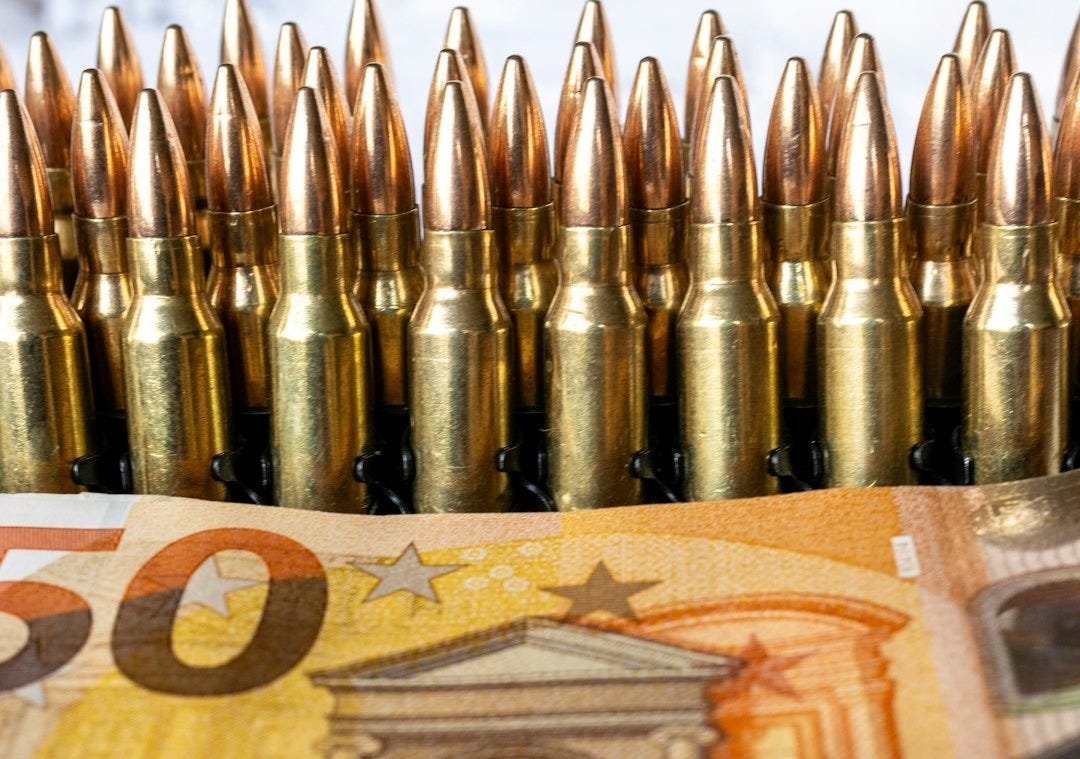
Understandably, the human cost of war tends to dominate the pages of history books. The number of lives lost through conflict is impossible to fully comprehend. Even the statistics we do have cannot capture the deeper and ongoing impact; the psychological and physical trauma carried by survivors, the families left grieving, and the communities permanently altered by loss. When we speak about war, these human stories must remain at the forefront. But alongside this visible human cost sits another, often less obvious impact, that of the economic and social strain that conflict creates far beyond the front lines. Of course, this is not to suggest that these consequences are more significant than the suffering experienced by those living directly within war zones and communities facing conflict. The immediate fear, danger and devastation faced by those communities rightly commands empathy.
Yet, conflict rarely remains contained within the borders where it begins. Conflict and war ripples outward through economies, through supply chains, through migration and displacement, and through the financial pressures that eventually reach communities many miles away. Those ripple effects are often felt most acutely by families already facing poverty-related barriers, including many of the communities and schools that you and I serve.
There is plenty of research across economics and other disciplines that shows war and conflict do not only destabilise governments or redraw borders. They have a tendency to reshape economies, communities and families; often deepening poverty in ways that can last for generations (Justino, 2012; World Bank, 2011). The following is not intended as an exhaustive list, but key trends worth considering.
It can slow, sometimes reverse, economic development
One of the clearest findings in the research literature is that conflict can severely disrupt economic development, particularly in countries where economies are already fragile. Analysis from the World Bank suggests that countries experiencing sustained conflict often see sharp reductions in economic growth and long periods of stagnation (World Bank, 2011). Earlier studies even estimate that intense conflicts can reduce GDP per capita by around 20% within five years, reversing years of development progress (Collier et al 2003).
Globally speaking, poverty is also becoming increasingly concentrated in places affected by violence. Current projections suggest that by 2030 around 60% of people living in extreme poverty may be located in countries experiencing conflict or fragility (World Bank, 2022). This isn’t a surprise to many I’m sure, but it is a correlation worth being aware of. Economists sometimes describe this dynamic as a ‘conflict trap’, a situation (or ecosystem) in which violence weakens institutions and economic systems, which in turn makes further conflict more likely (Collier et al 2003).
Conflict destroys assets and livelihoods for poorer families
When we take a more forensic look from national economies to households, the picture becomes clearer. War and conflict has a tendency to disrupt the basic foundations of economic security, which in turn impacts other social and psychological securities. Research examining household welfare during conflict has sometimes identified several common themes:
• destruction of homes, land and livestock
• loss of tools and productive assets
• collapse of labour markets
• disruption to infrastructure such as roads, schools and hospitals
• erosion of savings and financial security
When families face these kinds of shocks, they often resort to what some researchers describe as ‘distress coping’ methods. For example, selling assets, withdrawing children from education, or taking on high-risk work simply to survive. While these strategies may provide short-term pain relief, they arguably lead to factors which can further entrench or deepen poverty over the longer term by removing the very assets needed for recovery. When I consider the impact of sustained and persistent poverty in some areas, I see similar themes. Poverty, like war, rarely impacts just isolated domains of a person’s existence or securities.
Displacement pushes families deeper into poverty
War and conflict also forces millions of families to leave their homes. I’ve found it difficult seeing images of families and children fleeing their homes in recent days. This blog cannot do justice to the theme of displacement and asylum seeking in it’s broader sense, but it would be a mistake to not consider it. Even before the current conflicts dominating your news streams today, according to the UN Refugee Agency the number of people displaced by conflict and persecution globally has reached record levels in recent years (UNHCR 2024).
Displacement often disrupts employment, education and access to social networks. For example, research examining displacement during the conflict in Ukraine found that forced migration was associated with increased unemployment risks and heightened vulnerability to food insecurity, particularly among women and those with lower or basic levels of education (Vasco et al 2022). Displacement has a disruptive habit of fracturing the social fabric of communities, removing families from the networks that often help them cope with hardship or poverty-related barriers to education and a quality of life.
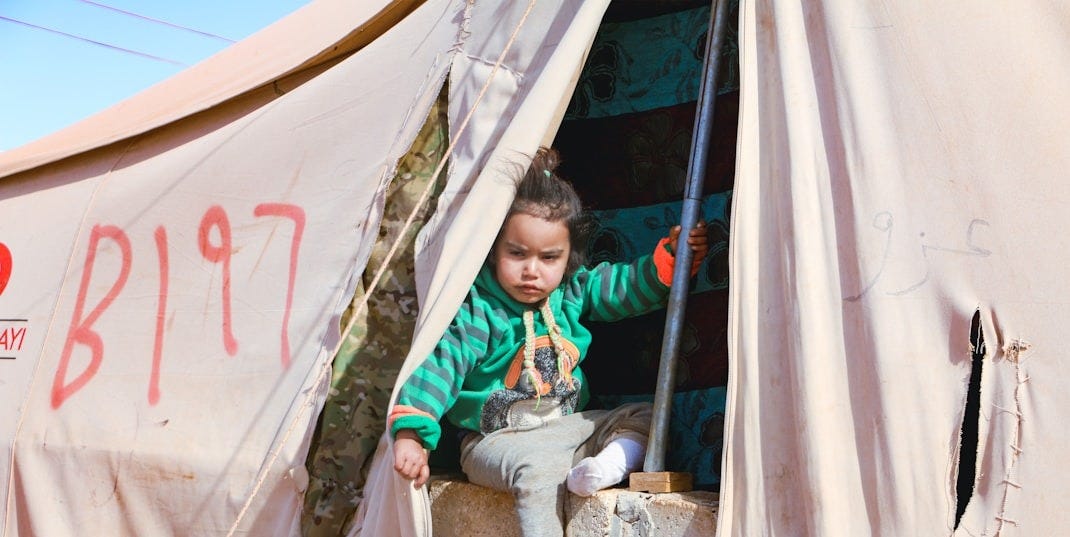
Conflict deepens inequality within communities
Of course, the most immediate and frightening impacts of conflict are felt by those living closest to it. Many of us watched in disbelief as reports emerged of tourists enjoying family holidays in Dubai suddenly seeking refuge in shelters and car parks as conflict unfolded in the skies above them. What began as a luxury break quickly became something far more harrowing. I cannot imagine it and you may find this piece useful for getting a glimpse into how it looks from the lens of someone in it.
One aspect that often receives less media attention is that conflict rarely affects everyone equally. Households with financial reserves, mobility or wider support networks often have more options when crises occur. They may be able to relocate more easily, access resources, or absorb sudden financial shocks. Academic research shows this, but so too do the many conversations and experiences that school leaders and pastoral staff had with families at school gates and on telephones when the global pandemic hit a few years ago.
I wrote this piece shortly after the global pandemic first took hold, at a time when many educators and others were working around the clock to understand and respond to the new and rapidly emerging challenges facing communities. Schools, charities and local partners did extraordinary things to support families. Yet much of this work was, in truth, a crisis response, people on the ground trying to make sense of problems as they surfaced day by day. What also became increasingly clear was that the crisis was not affecting everyone equally. Those with the fewest resources were often facing the sharpest and most immediate pressures. A school leader recently told me how one of the first actions they took during lockdown was working with local businesses to get toilet rolls to families on low incomes. At the time, this had become a surprisingly urgent issue. Some parents simply could not queue outside supermarkets for hours in the way others could because they were juggling multiple jobs, caring responsibilities, and the emotional strain of navigating lockdown with their children.
The response from schools and communities was compassionate during that time, practical, and often extraordinary. Yet it also served as a reminder that when crises strike, they tend to amplify the inequalities that were already there. The pandemic was, of course, very different from war or armed conflict. But during that time it was frequently described as a ‘new normal’; a period of profound disruption that reshaped daily life for millions. Like many other crises, it did not affect everyone equally. Those with financial security, flexibility, or reserves often had more options available to them. But for families already living with fewer resources, the pressures were sharper and more immediate.
Families and young people already experiencing poverty tend to have far fewer buffers. For many of these families there will be limited access to savings, restricted access to credit or insurance, vulnerable living arrangements and a heavy reliance on unstable labour markets. Research consistently finds that households already living in poverty are often those who experience the largest and most persistent economic losses during conflict (Justino, 2012). Alongside this, there is plenty of evidence to also show that conflict and war disrupt education, learning and community development too (Østby & Urdal, 2010).
War in pockets and places

If you’ve read this far, well done. At this point it might still be tempting to think of war and conflict as something that deserves our attention but ultimately still happens somewhere else, in distant places, far removed from our own communities (assuming, of course, you’re not reading this from the middle of a war-torn one). But that assumption is far from safe I realise. I’m reminded at the moment that each of us has a responsibility to consider what global instability and conflict might be doing right now to the pockets of the people we serve and the places we work within.
Even when conflict occurs thousands of miles away, its economic shockwaves travel quickly, reaching into household pockets and rippling through the communities and places that make up our immediate ecosystem. Energy markets have already shown how quickly conflict can send conflicts through the global economy. Although prices eased slightly this week, oil still sits well above pre-conflict levels of around $72 a barrel. Gas prices in the UK have also been volatile, recently dropping from a peak of roughly 171p per therm to around 126p. Much of this instability has been driven by fears that the conflict could disrupt shipping. While these movements may look like distant financial headlines, they rarely stay confined to markets for long. Energy shocks travel quickly, and before long they begin to show up in the pockets of households and the places where people live and work. Food and energy typically account for a larger share of spending for lower-income households, these shocks are often felt most sharply by families already struggling (FAO, 2023). Useful graph from the BBC and Bloomberg below to show how volatile this can be in one week alone.
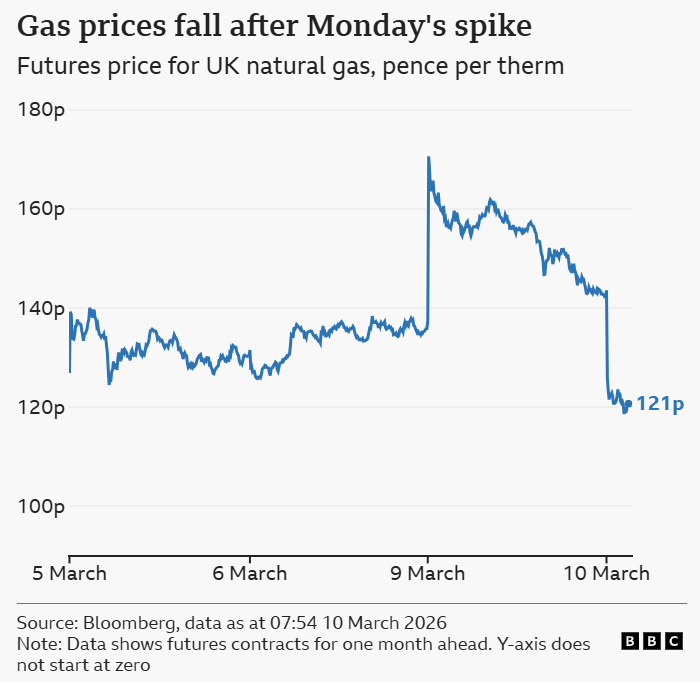
(Source: BBC News; 2026)
Put bluntly, a conflict thousands of miles away can still find its way into the weekly shop or the family budget. It wages financial conflict in the very communities and places that you might be serving right now. But not everybody is impacted equally.
Consistency in an inconsistent world
For those of us working in and alongside communities, global conflict can sometimes feel far removed from the day-to-day rhythms of classrooms. But I firmly believe that schools and other settings can become consistencies in an inconsistent world. Schools, youth clubs and community hubs can offer routine, sanctuary and trusted relationships.
Here are a three immediate reflections drawn from the work we’ve been doing across Tees Valley Education with others and through conversations in Tackling Poverty and Disadvantage in Schools.
Keep an eye on the wider world
Education conversations can sometimes become inward-looking; but remember that global events shape the social and emotional context pupils are living in. Pupils, staff and families may hear fragments of news through social media, conversations at home or online platforms. Schools do not need to have all the answers, but awareness of the wider context can help adults respond with empathy. Consider how these topics are explored currently and without bias, especially through:
Assemblies, tutor time, informal classroom discussions
Between pupils in breakout spaces/free time
The sensitivities and touch-points to these topics in the current curriculum offered and whether this needs to be revisited
Communications with families (e.g. newsletter, website, blogs)
Talk about sanctuary and displacement
In our book, Shayne Elsworth, education leader at Bede Academy, writes a thoughtful chapter about supporting children and families who have experienced displacement due to conflict. It offers a powerful example of how schools can become places of sanctuary and belonging. Key principles include trauma-informed practice, careful use of language, and creating safe opportunities for pupils/families to ask questions.
One of the most powerful examples in the chapter is the work of Evlina, who created a 12ft by 8ft mural in the academy courtyard. At its centre stands Ronahi, a name drawn from the Kurdish word for light. Ronahi is not a real person, but a symbolic figure imagined by Evlina. Through her artwork, Evlina expresses how hope, resilience and light can still emerge from experiences of darkness, displacement and loss. The team at Bede Academy have chosen to showcase the mural prominently and regularly invite members of the local community to come and see it for themselves. What I particularly love about this example is how these themes have emerged naturally through Evlina’s learning journey in art and through her wider studies. They are not treated as a bolt-on topic or a token gesture. Instead, they present authentically through the curriculum, allowing a young person’s voice, experience and creativity to speak to the community around her and to these complex topics.
You can read more practical insights and ideas in this guest blog from Shayne and team and in the book.
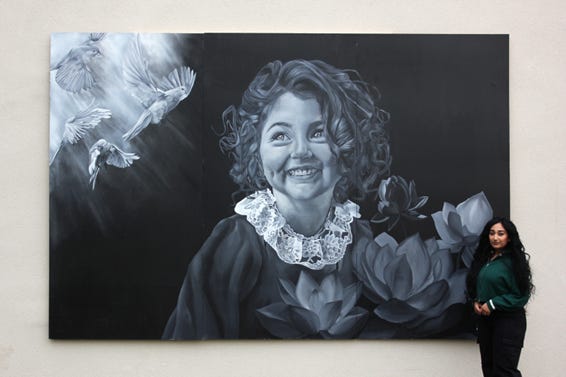
(Source: Bede Academy; as featured in TPADIS, 2025)
Calculate and respond to concerns and costs
When global prices rise, the pressure rarely falls on just one household expense. Families and pupils will likely start to see an inflation on fuel, energy, food and other day-to-day resources. Schools may want to keep an eye on the hidden costs of participation, particularly during Spring and Summer terms when trips and enrichment activities can increase or when there is a push for exam season activities (e.g. revision resources, revision study sessions etc). Small adjustments can make a significant difference to inclusion and I have written extensively in this Substack before about these topics.
Concerns may also be worth counting and responding to. One of my favourite ideas recently came from our Young PLACE Makers at Tees Valley Education. This is a social action based project in which children and young people identify inequalities in communities and then work together, with others, to tackle it. On the topic of rising costs and poverty, children suggested having a ‘worry wall’ or ‘worry box’ where pupils can anonymously ask questions about things they are hearing in the news. Teachers can review these regularly and use them to guide conversations or classroom discussions. Sometimes children need reassurance that their questions are being heard and that concerns are taking seriously in an inconsistent world.
Further reading and links
Collier et al (2004). On the Duration of Civil War. World Bank Policy Research Working Paper No. 2681. Washington.
FAO et al (2023). The State of Food Security and Nutrition in the World 2023. FAO
Harris and Morley (2025) Tackling Poverty and Disadvantage in Schools. London: Bloomsbury Education.
Hub for Education for Refugees in Europe (2026) Hub for Education for Refugees in Europe. HERE.
Justino (2012). War and Poverty. IDS Working Paper No. 391. Brighton: Institute of Development Studies.
Østby & Urdal (2012). Education and Civil Conflict: A Review of the Quantitative, Empirical Literature. Washington, DC: World Bank.
Schools of Sanctuary Schools of Sanctuary resources
UNHCR (2024) Global Trends: Forced Displacement in 2024. Geneva: United Nations High Commissioner for Refugees.
World Bank (2011) World Development Report 2011: Conflict, Security and Development. Washington, DC: World Bank.
Available at: https://www.worldbank.org/en/publication/wdr/wdr-2011World Bank (2021) Poverty and Shared Prosperity 2020: Reversals of Fortune. Washington, DC: World Bank.