

Cuppa with a Change Maker
Jon: That rainy lunchtime...

☕🫖You pour the brew, I’ll provide the content
In these ‘Cuppa with a Change Maker’ blogs, I’ll feature a guest that is passionate about social justice and tackling educational inequality.
I’m pleased to share this edition of Cuppa with a Change Maker, because it features someone whose work quietly but effectively challenges inequality at the very start of children’s educational journeys.
This week, I’m passing the mug to Jon Tucker. Jon is the Head of a school and has spent his career working in schools across East Hull, a place rich in pride, and potential, but also shaped by deep and persistent inequalities. Jon writes with honesty about what it means to serve a community you know well, to lead with relationships at the centre, and to hold an uncompromising belief that every child deserves the best start in life.
What struck me most when listening to Jon’s reflections is how grounded they are in lived experience. There’s nothing abstract in his interpretations. From lunchtime sports clubs that became unexpected teaching moments, to the everyday realities facing families navigating time poverty, hidden disadvantage and fractured relationships with education, Jon helps to bring us right into the heart of his school community.
This is also a blog about hope. The quiet influence of role models, the importance of place, and lightbulb moments that keep educators going even when the system feels stacked against the children that they serve. Jon doesn’t shy away from naming the gaps and injustices that persist, but he also shows what’s possible when schools see themselves not just as places of learning, but as co-anchors for their communities.
So, pop the kettle on and take a moment to read Sammy’s musings.
Over to you, Jon
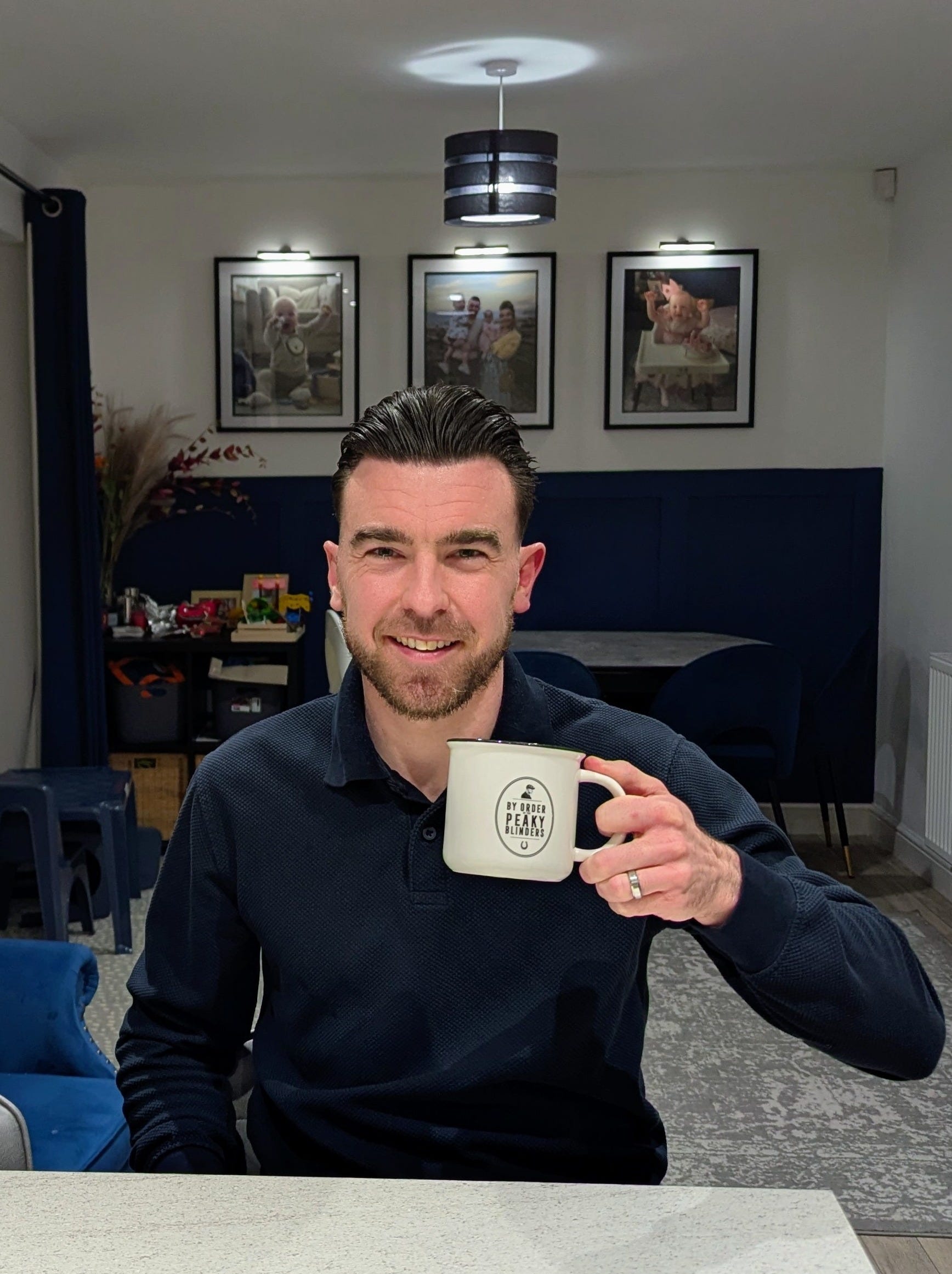
Hi everyone, I’m Jon Tucker, and if you know me, you’ll know I’m very much a coffee person. It’s a huge honour to have been asked to guest-write on this blog.
I’ve spent pretty much my entire career working in schools across East Hull, an area perhaps now best known nationally for the success of its local Rugby League team, Hull Kingston Rovers. Focal points like the rugby club act as real beacons of hope within the community. I believe that many great success stories begin with a spark, and seeing those sparks ignite for so many children during their primary school years is one of the most rewarding parts of my job.
That rainy lunchtime…

My journey into education started in a fairly modest way. I began as a sports coach, working one hour a week at the very first school I was employed in. Every lunchtime, I’d run a different sport for the children who wanted to take part. Thankfully for me, one particular lunchtime it was pouring with rain. Forced indoors, I adapted and ended up having conversations about healthy eating with the children who usually joined me outside for sport.
That rainy lunchtime turned out to be a pivotal moment. The Assistant Headteacher at the time was impressed enough to offer me a route into the classroom as a teaching assistant, and later as a student teacher in her class. The rest, as they say, is history. Today, I work alongside her as Head of School, still guided by her mentorship in her role as Executive Headteacher.
Hurdles in Hull

I’ve always believed that access to the best possible start in life isn’t a ‘nice to have’, it’s a fundamental right. Every child should have the opportunity to dream big, inspired by the people around them and shaped by their early experiences. Sadly, for many disadvantaged children in parts of East Hull and across other deprived areas of Yorkshire, this simply isn’t the reality that many children know.
Hull is a special city. Since becoming UK City of Culture in 2017, it has firmly put itself on the map, buoyed by the success of its sporting teams, the rise of local role models, and increased investment in the city’s infrastructure. Our children are growing up in a place with huge potential, and I want them to feel proud of their place. More than that, I want them to grow up with genuine choice and opportunity, able to succeed wherever they choose to live and work.
Yet what we continue to see across the education system is that many children begin school already facing inequality, with gaps that are never fully closed. In fact, they often widen. On average, children start the Early Years Foundation Stage 4.6 months behind, increasing to 19.2 months by the end of Year 11.
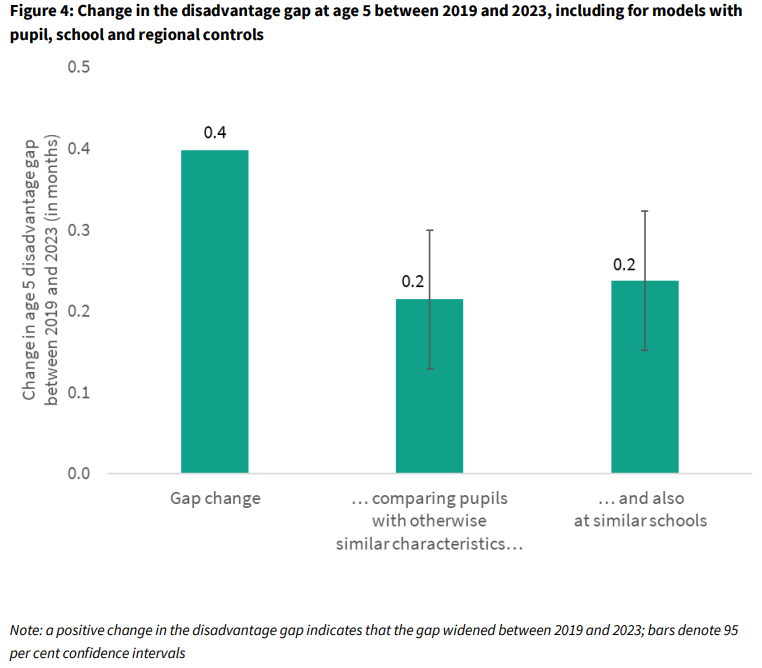
(Source: Education Policy Institute, 2025)
That reality does not sit well with me. Each morning, I come to work with a burning desire to reduce that inequality in our setting and across Kingston-upon-Hull. There is nothing more rewarding than seeing a child grow in confidence or a parent feel pride in their child’s progress. Those ‘lightbulb moments’ are what keep me coming back every single day.
Lowering hurdles

One common misconception I often encounter is the idea that aspiration needs to be created in areas of high inequality and poverty. I disagree wholeheartedly. Many, if not all, of the parents I speak to want their children to ‘do better than us’. Aspiration is already there. I know Sean has written lots about this and you can read more about the myths that surround aspiration and poverty here.
The real challenge lies in truly understanding the barriers that young people and families face, and then working alongside them to navigate those barriers. Every child and family is unique in their circumstances, but having a shared purpose, rooted in a clear ethos and strong values, is one of various levers to success. We often talk about the support available to families, and I’m incredibly proud of the community work we do as a school, but we don’t always talk enough about why that support can be so hard to access.
While financial hardship and poverty are significant hurdles, they are not the only ones. In my work, I regularly see hurdles such as:
The changing role of schools: School staff now provide far more than education alone. From healthy eating workshops (a full-circle moment for me) to toilet training advice to support school readiness, schools have become community hubs, not just places of learning. But perhaps not everybody understands this. It might conflict greatly to the experience of school that a child’s parents or grandparents had.
Time poverty: For many working parents and carers, accessing support during standard 9-to-5 hours is simply not possible. A large number of families are just about getting by, facing hidden deprivation that has a profound impact on children. We’re also seeing increases in young carers and social care involvement. Often known as 'hard-to-reach’ parents, I prefer to say "need to reach," as engaging with these families is paramount.
Building relationships: Families often need time and trust before they feel safe enough to ask for help. Some parents carry difficult memories of their own schooling, which can shape how they engage with schools today. Home visits, flexible parents’ evenings, and consistent communication are vital in building those relationships. This might especially be the case for parents with experience of children in care or working with social services.
My aim is to make these hurdles a little lower and the path forward a little smoother. School is far more than simply giving educational outcomes to these children.
I’ve also benefited greatly from learning alongside the Yorks100 cohort. The Yorks100 is part school leadership programme; part collective impact project. If my work with Verity and the Reach (Yorks100) team has taught me anything, it’s that relationships are everything. It’s not just about providing a service; it’s about building a village around the child. As a school we are collaborating with primary and secondary colleagues from across the East locality to relinquish ourselves of trust systems and pre-conceptions and move forward as a group to positively create Educational Coherence across key stages and settings. I’ve also learned a great deal from visiting and working alongside other leaders and schools, Surrey Square in London, in particular, took my breath away and I’ve drawn on those lessons to build systems in my own school that genuinely serve our community. Thanks to the team at Big Education for hosting the visit!
Faith in collaboration
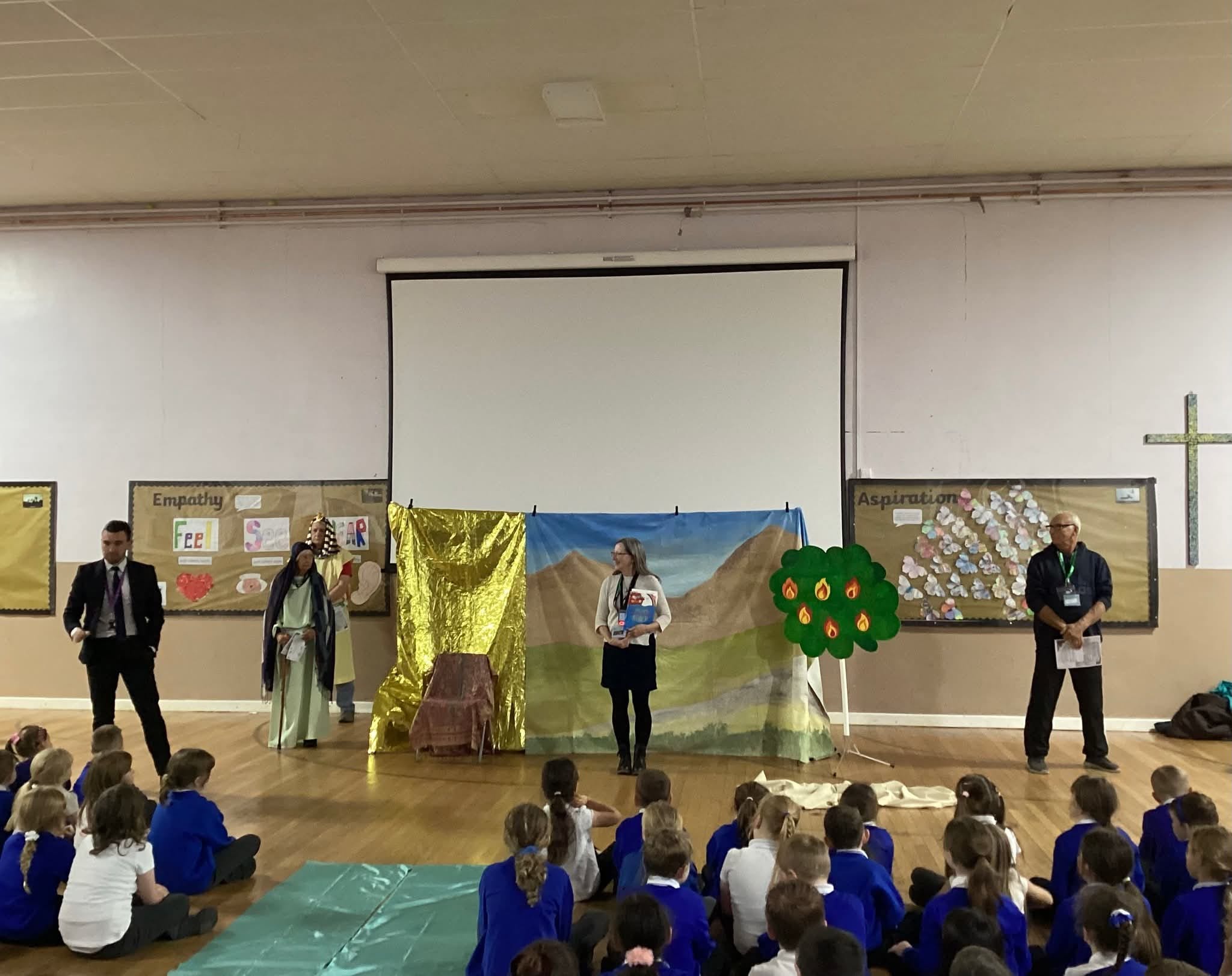
(Alderman Cogan’s Church of England Primary Academy in collective worship)
As a church school, we’re fortunate to be able to work closely with our local church, which already offers support such as mother’s groups and baby classes. These families are part of our catchment area, and making connections early is crucial in reaching those who are most vulnerable and hardest to reach.
I’m incredibly proud to say that last year, for the first time, our Key Stage 2 outcomes showed no disadvantaged gap. Our disadvantaged pupils achieved combined Reading, Writing and Maths results above the national average for non-disadvantaged pupils. It’s a significant step in the right direction but our work is far from finished.
I’m always keen to connect with people who share this passion, or with families who might just need a nudge or a steer in the right direction. Please feel free to follow me on LinkedIn to keep up with what’s happening at our school and to follow my Yorkshire 100 leadership journey.
Thanks for reading
Follow the links for further information and to connect with Jon and team.
Connect with Jon on LinkedIn
Find out about Alderman Cogan’s CofE Academy and Ebor Academies Trust
Find out about the Yorks100 programme
Find out about the REACH Foundation Programme of support
Find out about Big Education and Surrey Square Primary
🫖 Fancy a cuppa?
Could you be one of my next guests?
Here's a link that will take you to a quick form about the blog series. I'll be running 1-2 a month, so I would love to add prospective authors to the schedule.
Please do pass the link on to other change makers you might know of.
Ideas for content might include:
Particular project making a difference to the lived realities of hardship for others
Innovative approaches to understanding and/or tackling inequalities
Signposts of further support, free resources etc on a specific issue
Ideas or examples do not have to be school based
I’m happy to promote approaches, strategies and ideas - but avoid using the blog as a sales pitch for a particular product or traded offer please! (Unless it makes sliced bread look like a prehistoric idea….)