
Cuppa with a Change Maker
Sharan: Money talks


☕🫖You pour the brew, I’ll provide the content
In these ‘Cuppa with a Change Maker’ blogs, I’ll feature a guest that is passionate about social justice and tackling educational inequality.
These Cuppa with a Change Maker blogs were brewed out of a belief that there is good practice out there and reason to be hopeful.
In today’s Cuppa with…. Sharan Kaur Varaitch, founder of Build & Conquer Financial Literacy, reflects on the complex relationship many young people have with money and why financial literacy must go beyond simply teaching budgeting or banking terminology. At a time when many schools are thinking even more carefully about how education can better prepare young people for life beyond the classroom, Sharan’s insights offer a compassionate perspective on why meaningful financial education matters. She also does a great job of challenging simplistic narratives around poverty and “poor choices”, something I am equally passionate about!
So, don’t expect a blog about blame! Instead, pour a brew and consider opportunity and how to support young people navigate an increasingly complex financial world with greater understanding and dignity. Money talks, but Sharan does a better job of it….
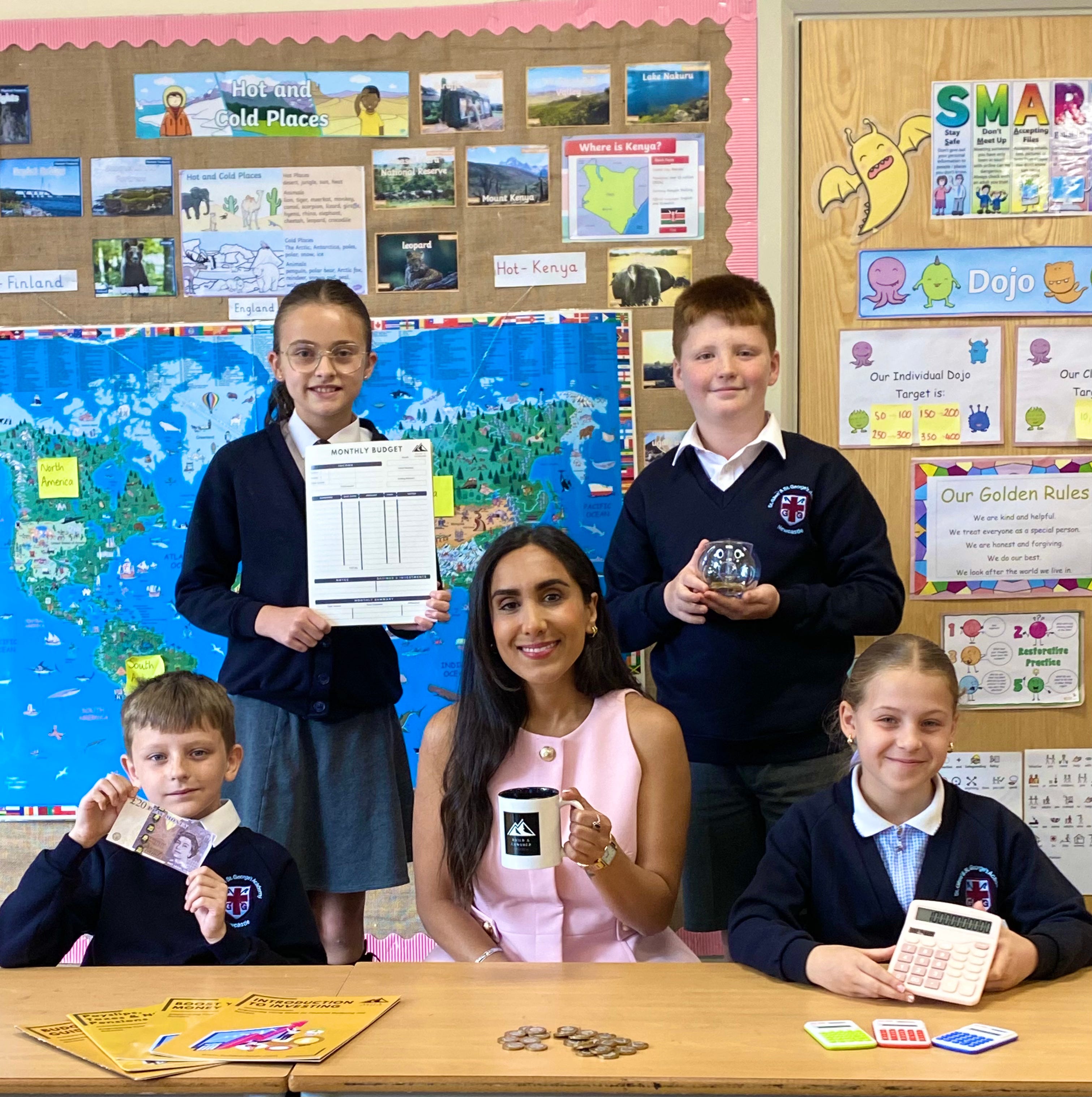
(Sharon with pupils)
Hi, I’m Sharan and I’m somewhat obsessed with money…. but don’t worry, you’ve not stumbled on one of those ‘become a billionaire in a weekend’ influencer type reels. Perhaps ‘obsessed’ is the wrong word in this context. I’m ‘furiously curious’ (as Sean might say!) about money, finance and even more curious about how we teach it to support young people, especially those with less.
Let me tell you about my background because it helps illustrate how I ended up in this place and talking about money. I grew up in Smethwick in the West Midlands, an area often associated with high levels of poverty and inequality. Like many people, my understanding of money did not come through formal lessons or textbooks. It came through everyday life, overheard conversations at home, worries around bills, watching adults trying to make things stretch and slowly becoming aware of how much money influences stress, confidence and the opportunities people feel are open to them. We probably learn more about money in these earlier ages than many of us realise, and it is this that continues to make me curious.
As I got older, I became increasingly curious about our relationship with money and why so many people spend their entire lives using it every single day without ever really being taught how to understand it. That curiosity eventually led me into entrepreneurship and financial education, but it also forced me to reflect on my own experiences and assumptions around money. There are many phrases I hear ‘economic wellbeing’, ‘financial literacy’, ‘fiscal wellbeing’ and some of this may cause different reactions in you. At the core of it, I believe that financial literacy or ‘money matters’ is far more than numbers, cash flow or budgeting.
Money matters
(Source: Build & Conquer)
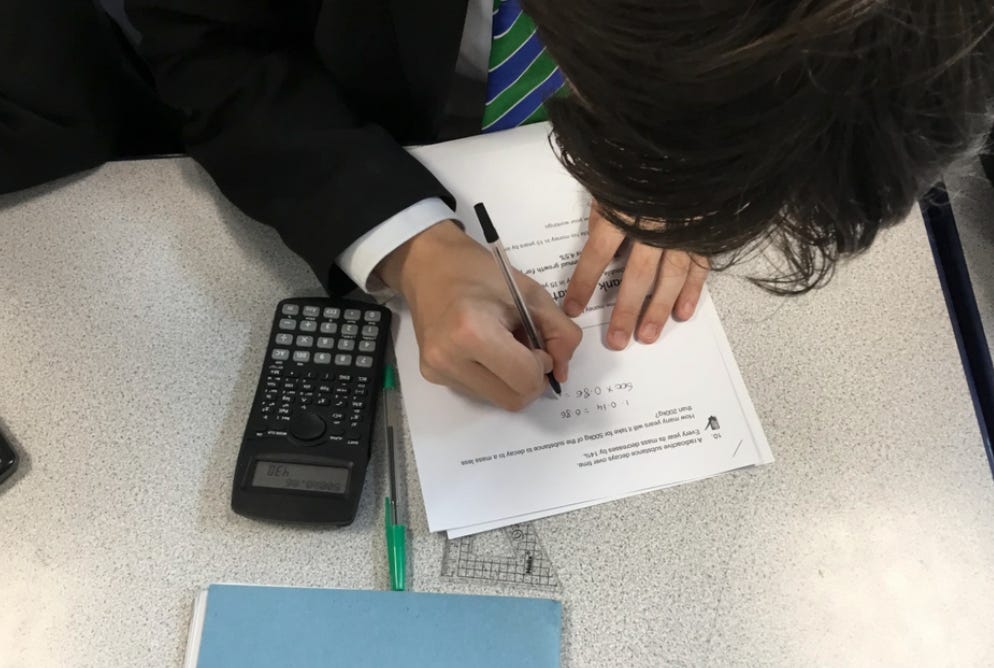
Over time, I realised that financial literacy is about far more than numbers, spreadsheets or budgeting apps. Money is deeply tied to identity, wellbeing, life chances, security, opportunity and self-worth. It can shape how safe people feel, the decisions they believe are available to them and sometimes the extent to which they feel able to participate fully in society. Anybody that has had to survive on limited or low-income perhaps knows this only too well.
This understanding has heavily influenced the work I and others do through Build & Conquer Financial Literacy. Too often, financial literacy is framed purely as a knowledge gap, as though financial hardship simply exists because people do not understand money well enough. In reality, life is much more complex than that. This is something that can become a damaging and problematic myth on some many fronts, not least because it suggests that many face poverty or financial insecurity because of bad decisions or their own mistakes in life. Whilst this may be a reality for some people, we need to be careful about suggesting that this will be the known reality for all. Furthermore, it does not account for the many structural and systemic issues facing families and young people navigating inequality.
For many children and young people, money is not first encountered as an abstract mathematical concept. It is experienced through the realities of daily life and some grow up acutely aware of financial strain within the household. Others might witness parents balancing impossible trade-offs, worrying about rising costs or working incredibly hard simply to keep things stable. These experiences shape how young people think and feel about money long before they enter adulthood. Research from Harter and Harter (2021) explores the relationship between childhood adversity and adult financial wellbeing. They found that adverse childhood experiences, including poverty and instability, could be associated with greater financial anxiety in later life, lower financial confidence and more difficulty achieving long-term financial wellbeing in adulthood.
Across the UK, millions of children children to grow up and live in contexts where financial pressure forms part of everyday life. According to the Joseph Rowntree Foundation, almost one in three children in the UK are currently living in poverty.
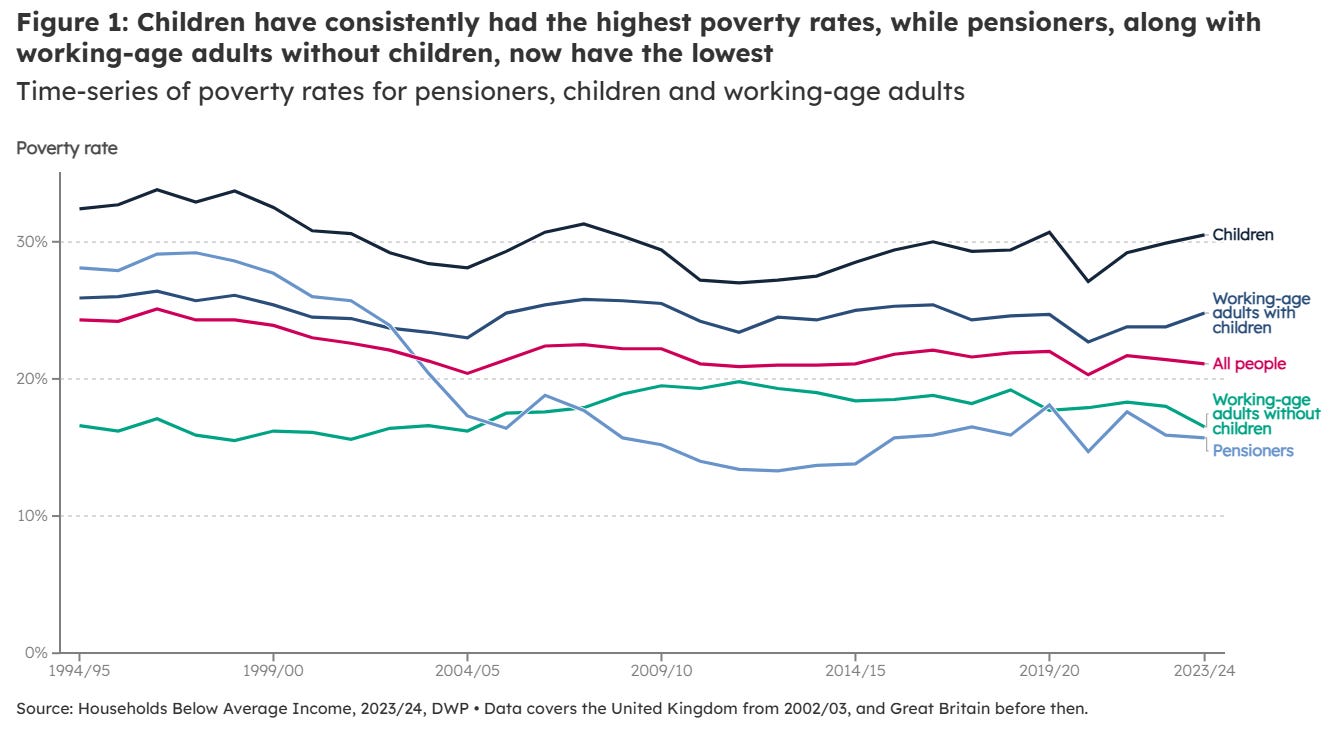
(Source: JRF, 2026)
That reality is not the result of individual failings or families somehow making inherently poor decisions about money. The overall systemic evidence reflects wider structural issues including insecure employment, rising housing costs, inflation, low wages and increasing inequality. Children, above every group in society, have been hit hardest by these rising insecurities and inequalities. Let this sink in for a moment… the group with less fiscal resource, experience and knowledge are being hit hardest by poverty and other insecurities. Therefore, it is essential that children and young people are given the skills, knowledge and opportunity to help navigate these issues. Money isn’t everything and it certainly isn’t a silver bullet to happiness or wellbeing, but I believe that money matters. Especially for those with less access to it!
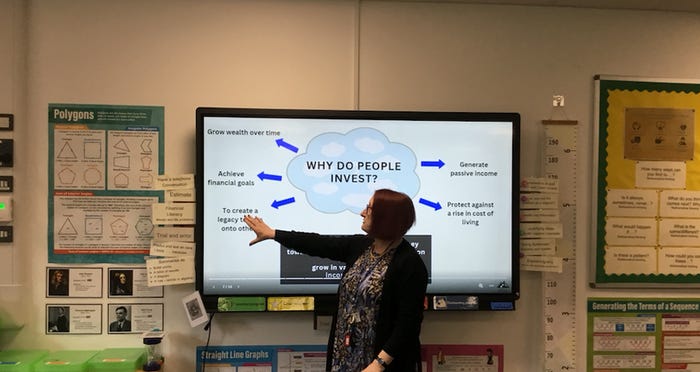
Money talks
(Source: Build & Conquer)
Money-based conversations around finances can still become unhelpfully moralised. There remains a tendency in some public discourse to assume that financial hardship is primarily about personal responsibility, when the evidence paints a far more nuanced picture. Think about some of the language that we use about money and what we know children and young people can be exposed to:
“Money doesn’t grow on trees.”
“You’ll never get rich working honestly.”
“Your network is your networth”
“Get rich, or die trying!”
“A penny for your thoughts?”
“I’m terrible with money.”
“Money makes the world go round”
“If they stopped wasting money, they’d be fine.”
“Take care of the pennies and the pounds will look after themselves”
“Money is the root of all evil”
“Talking about money is rude or impolite”
Research from Mani et al (2013) suggests that ongoing financial pressure can significantly affect cognitive bandwidth and processing capacity. When people are living with persistent financial stress or uncertainty, decision making often becomes shaped by urgency, short-term pressures and the emotional weight of instability. This is not about irresponsibility or poor character, but about the psychological impact of living under sustained strain.
In many ways, this sort of creates a compounding effect. On one level, children and young people may already be exposed to unhelpful narratives and anxieties around money within wider society and in everyday (or social media!) talk about money. Alongside this, evidence suggests that unequal access to financial security and resources can itself affect an ability to think, plan and make decisions clearly over time.
I think this matters enormously when we consider children and young people, especially those navigating inequality and poverty. For some, money is not experienced as a neutral topic. It may already be associated with stress, worry, limitation or uncertainty long before adulthood begins, shaping not only financial understanding but also confidence, wellbeing and how young people view the opportunities available to them. For some, conversations around money might carry embarrassment, stigma or shame. Others may avoid financial discussions altogether because they have rarely experienced them openly or positively.
This is one of the reasons I believe financial literacy matters so much. Not because young people from lower-income backgrounds need ‘fixing’, but because all young people deserve access to practical knowledge and understanding that helps them navigate an increasingly complicated financial world with greater confidence. Most adults were never formally taught these things either, I know I wasn’t!
Many young people still leave education without a good understanding of payslips, taxation, credit, debt, mortgages, pensions or digital financial risk. They may know how to solve equations or analyse texts, but still feel completely unprepared when faced with real-life financial decisions for the first time. I am not calling into question here the value of a broad and balanced curriculum, I am posing the challenge that without a good understanding of money in it, children and young people are likely leaving classrooms and schools without a vital component of knowledge that we know is needed by everybody, especially those navigating inequality.
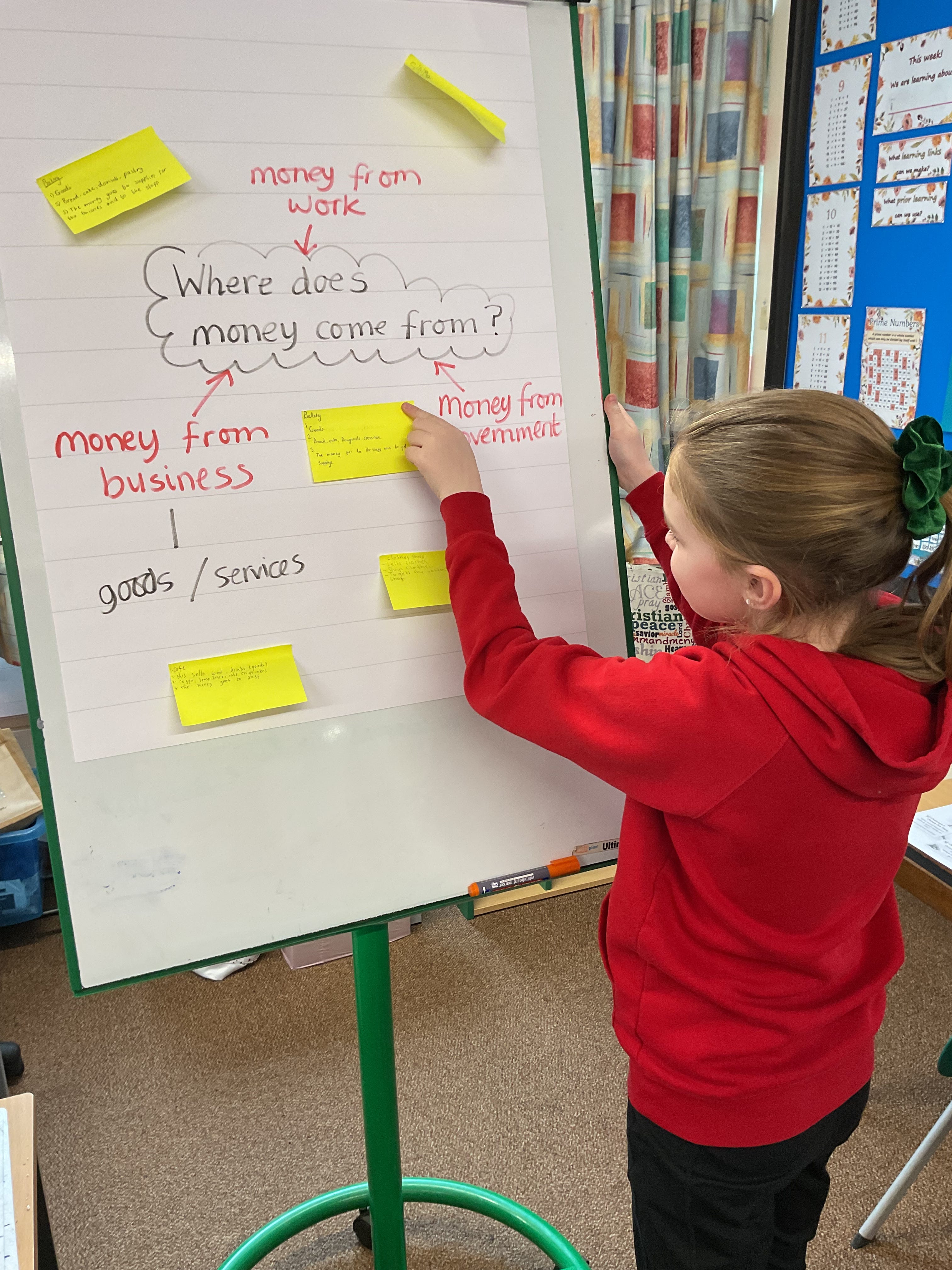
Putting money in the classrooms
(Source: Build & Conquer; St Mary’s CE Primary)
Schools and colleges are already carrying huge responsibilities and I see this every week in my work across schools and alongside the education system. Educators across the world quietly support children and families facing financial hardship every single day, often far beyond what anyone outside education fully sees. I also realise that classroom curriculum is only one aspect of this. Teachers, leaders, pastoral and support staff provide stability, care, opportunities and practical support in ways that extend far beyond the classroom. Money will inevitably be a part of these day-to-day conversations with children, young people, parents and carers.
That is why this conversation or any ‘money talks’ should never become about blaming schools for not doing enough. In many ways, schools are already doing extraordinary things within increasingly difficult circumstances. I am tired of the rhetoric that schools need to simply fit more in to their PSHE curriculum alongside everything else. That is unsustainable and totally unrealistic!
What I have found through our work is that many educators and other adults genuinely want to teach financial literacy more meaningfully, but often lack the time, confidence or curriculum space to do so consistently. Financial education exists in parts of the curriculum, but it can sometimes feel fragmented or reduced to isolated lessons on budgeting, salaries and interest rates. Meanwhile, many teachers themselves were never taught these topics growing up, which can understandably make the subject feel intimidating to deliver.
Our approach at Build & Conquer has therefore been less about creating “experts” and more about helping schools create a healthier, more open and more practical culture around financial understanding. Quite simply, we want to help bring ‘money’ into the classroom for busy educators and leaders facing complex demands on time, energy and resource (including budgets!). We approach financial literacy in a way that feels grounded in real life rather than overly theoretical. We work with schools to support educators to understand that young people arrive with very different experiences of money and that financial education should acknowledge those differences rather than assuming everyone starts from the same place.
It also means creating spaces where conversations around money can happen without judgement. Sometimes what appears externally as a “poor financial decision” makes far more sense when viewed within the context of instability or lived experience. Prioritising immediate spending may reflect uncertainty about the future, avoiding financial decisions can stem from anxiety or overwhelm and a strong focus on earning money may come from growing up with very little financial security.
Understanding these issues is important because it changes the nature of the conversation. Rather than framing financial literacy around correcting behaviour, it becomes about helping young people build confidence, awareness and critical thinking. Our curriculum has been developed alongside teachers and piloted across primary schools, secondary schools, sixth forms and colleges. We encourage schools to embed financial literacy gradually and realistically through tutor time, PSHE, enrichment opportunities, assemblies and wider curriculum links, rather than treating it as a one-off initiative.
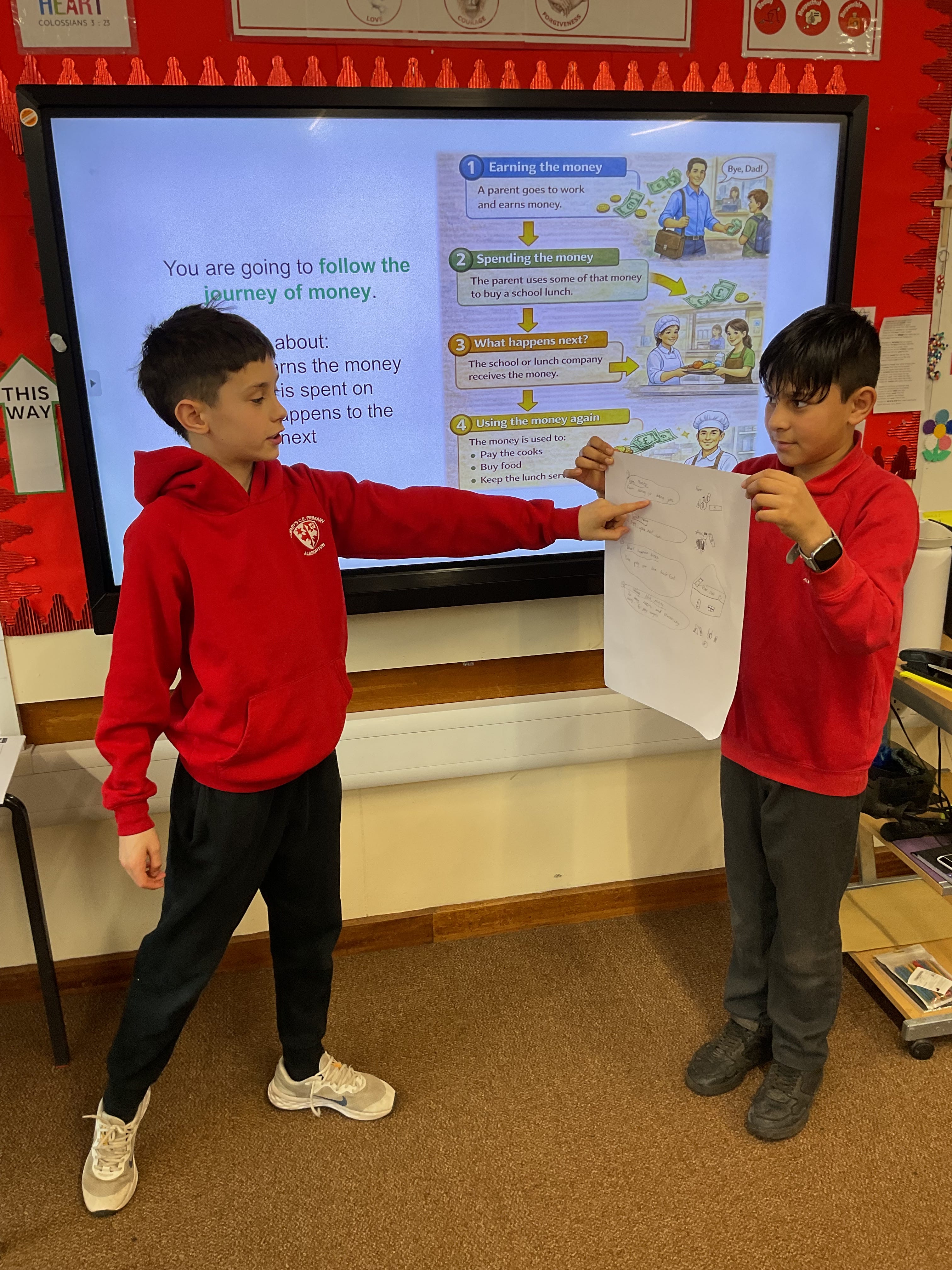
Here are some insights from some schools we have worked with.
It’s never really just money…
(Source: Build & Conquer; St Mary’s CE Primary)
What has been most encouraging is seeing how strongly children and young people engage when discussions feel relevant to their lives. When lessons move beyond abstract theory and connect to housing, employment, online influence, debt, saving or financial pressure, students often contribute with honesty and maturity. I am also regularly reminded that children and young people want to talk about money and these topics, recognising the value of it far beyond the amount a person earns or has access to.
We have also seen how these conversations can begin to reduce stigma or anxieties around these topics. Young people become more willing to ask questions, challenge assumptions and speak more openly about money without embarrassment. For me, this is important because it reminds me that financial literacy is not simply about helping young people manage money more effectively in the future. It is also about helping them feel more informed, more confident and less excluded from conversations that shape so much of today and their tomorrow.
If financial education is going to be genuinely meaningful, then I believe it has to recognise the realities children young people are already navigating, and this is especially important for those children and young people navigating inequality and poverty-related barriers to learning. It has to move beyond simplistic ideas about “good” and “bad” choices and acknowledge how deeply money is shaped by context, opportunity and lived experience. For so many of these children and young people, money has never really been just about money. We have a valuable role in helping them see this and you’re worth on this topic cannot be measured in money!
Teachers change lives. Financial literacy changes futures.
Further links
Cooper, K. and Stewart, K. (2013) Does Money Affect Children’s Outcomes? A Systematic Review. York: Joseph Rowntree Foundation
Evans, G.W. and Cassells, R.C. (2016) ‘Childhood poverty and adult psychological well-being’, Proceedings of the National Academy of Sciences, 113(52), pp. 14949–14952.
Harris, S. and Morley, K. (2025) Tackling Poverty and Disadvantage in Schools: London: Bloomsbury.
Joseph Rowntree Foundation (2026) UK Poverty 2026: The essential guide to understanding poverty in the UK. York: Joseph Rowntree Foundation.
Lusardi, A. and Mitchell, O.S. (2014) ‘The economic importance of financial literacy: Theory and evidence’, Journal of Economic Literature, 52(1), pp. 5–44.
Mani, A., Mullainathan, S., Shafir, E. and Zhao, J. (2013) ‘Poverty impedes cognitive function’, Science, 341(6149), pp. 976–980.
Mullainathan, S. and Shafir, E. (2013) Scarcity: Why Having Too Little Means So Much. New York.
🫖 Fancy a cuppa?
Could you be one of my next guests?
Here's a link that will take you to a quick form about the blog series. I'll be running 1-2 a month, so I would love to add prospective authors to the schedule.
Please do pass the link on to other change makers you might know of.
Ideas for content might include:
Particular project making a difference to the lived realities of hardship for others
Innovative approaches to understanding and/or tackling inequalities
Signposts of further support, free resources etc on a specific issue
Ideas or examples do not have to be school based
I’m happy to promote approaches, strategies and ideas, but avoid using the blog as a sales pitch for a particular product or traded offer please! (By all means signpost an offer if you think it helps)